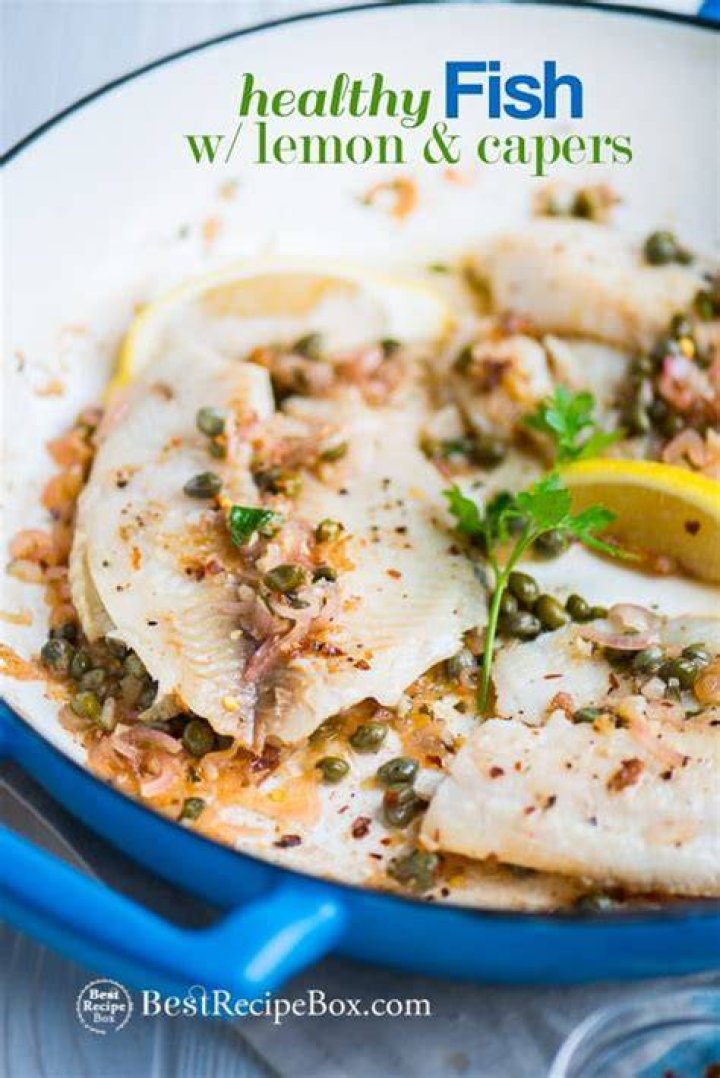
Is white fish healthy
 Chloe Ramirez
 White fish are: low in fat, making them one of the healthier, low-fat alternatives to red or processed meat, which tends to be higher in fat, especially saturated fat. some species can be a source of omega-3 fatty acids, e.g. sea bass, sea bream, turbot, halibut, but at lower levels than oily fish.
Which white fish is healthiest?
Cod. Cod is often considered one of the best white fish and is commonly featured in recipes like fish and chips due to its dense, flaky texture. In addition to being relatively low in calories, cod is an excellent source of protein, selenium and vitamin B12.
Can I eat whitefish everyday?
“For most individuals it’s fine to eat fish every day,” says Eric Rimm, professor of epidemiology and nutrition, in an August 30, 2015 article on Today.com, adding that “it’s certainly better to eat fish every day than to eat beef every day.”
What is the most unhealthy fish to eat?
- Bluefin Tuna. In December 2009, the World Wildlife Fund put the bluefin tuna on its “10 for 2010” list of threatened species, alongside the giant panda, tigers, and leatherback turtles. …
- Chilean Sea Bass (aka Patagonian Toothfish) …
- Grouper. …
- Monkfish. …
- Orange Roughy. …
- Salmon (farmed)
Is eating too much white fish bad for you?
It’s also possible to develop mercury poisoning from eating too much seafood. In small amounts, the following types of fish are okay to eat once or twice per week: albacore tuna. anchovies.
Is frozen fish healthy?
Myth #1: Frozen Fish is Less Healthy Than Fresh Fish Many people are worried that fish loses its health benefits when frozen, but it actually has the same nutritional value as fresh fish—none of the nutritional value is lost when fish is frozen.
What are the four fish you should never eat?
Making the “do not eat” list are King Mackerel, Shark, Swordfish and Tilefish. All fish advisories due to increased mercury levels should be taken seriously. This is especially important for vulnerable populations such as young children, pregnant or breastfeeding women, and older adults.
Which fish has high mercury?
- Shark.
- Ray.
- Swordfish.
- Barramundi.
- Gemfish.
- Orange roughy.
- Ling.
- Southern bluefin tuna.
Which fish is the healthiest?
- Salmon. The flesh of this oily fish has a characteristic orange to red color. …
- Mackerel. Another oily fish, mackerel is a rich source of omega-3 fatty acids, vitamin D, magnesium, and phosphorus. …
- Herring. …
- Tuna. …
- Lake trout. …
- Freshwater whitefish. …
- Halibut. …
- Bass.
Which fish has least mercury?
Five of the most commonly eaten fish that are low in mercury are shrimp, canned light tuna, salmon, pollock, and catfish. Another commonly eaten fish, albacore (“white”) tuna, has more mercury than canned light tuna.
Article first time published on
What fish can you eat everyday?
The American Heart Association (AHA) recommends eating fish at least 2 times a week, particularly fatty fish like salmon, lake trout, sardines, and albacore tuna, which are high in omega-3s. Yet, there are some risks associated with eating fish on a regular basis.
Is Whitefish high in iodine?
One of the best sources of iodine is in white fish like cod, coley, haddock or hake and by eating these mums-to-be will also be topping up their systems with a whole of vitamins and minerals like Vitamin D, Omega-3 and Zinc.”
How much fish should you eat?
The Dietary Guidelines for Americans recommends: At least 8 ounces of seafood (less for children§) per week based on a 2,000 calorie diet. Those who are pregnant or breastfeeding consume between 8 and 12 ounces per week of a variety of seafood from choices that are lower in mercury.
Can I eat seafood everyday?
But, experts say, eating seafood more than twice a week, for most people, can be healthful. “For most individuals it’s fine to eat fish every day,” said Eric Rimm, a professor of epidemiology and nutrition and director of cardiovascular epidemiology at the Harvard School of Public Health.
Can I eat cod everyday?
Consuming cod in moderate amounts is safe and generally without adverse effects. Cod, like most types of fish, contains mercury. Excessive mercury consumption can be toxic and may cause neurological and behavioral disorders. It may be particularly problematic in children.
How many times eat fish a week?
Eat up to 12 ounces (two average meals) a week of a variety of fish and shellfish that are lower in mercury. Shrimp, canned light tuna, salmon, pollock, and catfish are low-mercury fish. Albacore (“white”) tuna has more mercury than canned light tuna. So limit your intake of albacore tuna to once a week.
Why is tilapia the worst fish to eat?
The bad news for tilapia is that it only contains 240 mg of omega-3 fatty acids per serving — ten times less omega-3 than wild salmon (3). … Some people even believe omega-6 fatty acids can be harmful and increase inflammation if eaten in excess ( 8 ).
Can I eat salmon everyday?
Generally speaking, eating salmon every day is not always recommended, unless you eat small amounts. “The 2020–2025 Dietary Guidelines for Americans recommend that people consume 8 to 10 ounces of seafood per week, especially fish that are lower in mercury, which would include salmon,” says Pike.
Is shrimp healthy to eat?
Summary Shrimp is very nutritious. It is fairly low in calories and provides a high amount of protein and healthy fats, in addition to a variety of vitamins and minerals.
Is canned tuna healthy?
Is canned tuna fish good for you? Yes, canned tuna is a healthful food rich in protein and contains many vitamins and minerals such as B-Complex vitamins, Vitamins A and D as well as iron, selenium and phosphorus. Tuna also contains healthy omega 3 essential fatty acids DHA and EPA.
Is battered fish healthy?
It’s healthier than deep frying, requires less butter or oil, and can taste even better. Battered fish may not be the healthiest presentation, but it is one of the most tasty. Anything that encourages people to eat more fish has to have something going for it.
Which frozen fish is healthiest?
- First Place: Orca Bay. Our Test Kitchen’s frozen fish of choice is Orca Bay. …
- Second Place: Simply Balanced. Target’s Simply Balanced brand of frozen cod is also worth stocking in your freezer. …
- Third Place: Fisherman’s Reserve. Another great option for frozen fish came from Kroger’s exclusive seafood brand.
What are the top 10 healthiest fish?
- Pole-Caught Albacore Tuna. …
- Wild-Caught Salmon From Alaska. …
- Farmed Oysters. …
- Wild-Caught Pacific Sardines. …
- Farmed Rainbow Trout. …
- Farmed Mussels. …
- Arctic Char. …
- US-Farmed Barramundi.
What is the least toxic fish to eat?
Instead, eat those fish that are lowest in contaminants, such as cod, haddock, tilapia, flounder and trout. According to both the FDA and EPA, limit overall fish consumption to two servings (12 ounces) a week to minimize exposure to mercury.
Why salmon is bad for you?
Fish have extremely high levels of chemicals such as arsenic, mercury, PCBs, DDT, dioxins, and lead in their flesh and fat. You may even get industrial-strength fire retardant with that catch of the day. The chemical residue found in salmon flesh can be as much as 9 million times that of the water in which they live.
How do you rid your body of mercury?
Mercury is also eliminated in urine, so drinking extra water can help to speed up the process. Avoiding exposure. The best way to get rid of mercury in your body is to avoid sources of it whenever you can. As you reduce your exposure, the level of mercury in your body will decrease as well.
Do eggs contain mercury?
The average mercury content in whole eggs ranged from 0.312 to 0.375 µg Hg/egg, and was not significantly different among the tested groups. The Hg content in various egg components (albumen, yolk, eggshell) of the treatment groups during six weeks of the experiment (series II-V) is presented in Table 3.
Is Salmon full of mercury?
Farmed salmon has omega-3s, but wild-caught salmon is a richer source of these heart-healthy and brain-healthy fatty acids. Salmon has an average mercury load of 0.014 ppm and can reach measurements up to 0.086 ppm.
Is Catfish good or bad for you?
Catfish is low in calories and packed with lean protein, healthy fats, vitamins, and minerals. It’s particularly rich in heart-healthy omega-3 fats and vitamin B12. It can be a healthy addition to any meal, though deep frying adds far more calories and fat than dry heat cooking methods like baking or broiling.
How healthy is halibut?
Halibut is rich in selenium and other minerals and vitamins. The nutritional combination provides clean source nutrition with a high satiety index. The average portion (160 g) of halibut has approximately 225 calories with 42 g of protein and 5% fat the majority of which is Omega 3.
Is tilapia bad to eat?
Is tilapia safe to eat? When farms rear the tilapia in good conditions, the fish are safe to eat. The U.S. Food and Drug Administration (FDA) list tilapia as one of the best choices for pregnant or breast-feeding women and children over the age of 2 years. This is due to its low mercury and contaminant content.