Are cowpeas perennial
 Isabella Bartlett
 Perennial legume varieties include several types of clover – such as alsike clover, white clover, red clover and yellow sweet clover – as well as perennials such as crown vetch, cowpeas, birdsfoot trefoil, and various varieties of perennial peanuts. … Perennial legumes vary in hardiness.
Do beans come back every year?
A lot of favorite garden vegetables, such as beans, peppers, potatoes, and tomatoes (technically fruits!), are annuals. They complete their life cycles in a single growing season, so you have to plant them year after year. … Each of these veggies (yes, rhubarb is a vegetable!) will come back on their own.
Do peas grow back every year?
Sweet peas (Lathyrus odoratus) only live for a year, dying after setting seed. But don’t let this put you off as they are super easy to grow from seed. Perennial species such as Lathyrus latifolius come back year after year, but mostly lack fragrance and there are fewer to choose from.
How long will cowpeas produce?
Under these conditions, cowpea seeds will last 3-4 years.
Which beans are perennial?
Perennial beans come in two main varieties. Scarlet Runner Beans are well suited to temperate regions and yield beautiful purple and black beans encapsulated in vibrant green pods. Hummingbirds love this plant’s bright red flowers. The Asian Winged bean is a warm-weather plant that is less resilient but also beautiful.
Is Basil a perennial?
Annual herbs like basil and dill must be planted anew each year, but most other commonly used herbs qualify as perennials. … Early spring is the best time to plant outdoors, but you can put the herbs in the ground any time of year that it’s not frozen.
What vegetables are perennials?
- Artichoke (Jerusalem, also known as Sunchokes)
- Asparagus (Keep the bed weed-free, and they’ll produce for 20 years or more. …
- Broccoli (Not all varieties are perennial. …
- Radicchio.
- Rhubarb.
- Spinach (Not all varieties are perennial. …
- Sweet Potato.
- Tree cabbages/Tree Collards.
Do cowpeas need trellis?
Vining varieties are very vigorous and drought resistant, but they should be given extra room, or trellised, or planted so they can climb stalks of dent corn.
How long does it take cowpea to flower?
Cowpea can be harvested at three different stages of maturity: green snaps, green-mature, and dry. Depending on temperature, fresh-market (green-mature) peas are ready for harvest 16 to 17 days after bloom (60 to 90 days after planting).
Is cowpea an annual crop?
Description of the plant The cowpea Vigna unguiculata (L.) Walp. is an annual herbaceous legume cultivated for its edible seeds or for fodder. Cultivated cowpeas are herbaceous annuals that are either erect, prostrate or climbing annuals with a tap root and virtually all are glabrous.
Article first time published on
Are peas perennial or annual?
Most legumes grown in the home garden, including beans and peas, are annual plants, which means they complete a life cycle in a single year. Perennial legumes, on the other hand, are those that live for more than two years.
Are perennial sweet peas invasive?
Annual or Perennial In many areas of North America, the perennial sweet pea (L. latifolius) is an invasive problem, clogging open fields and roadsides. It looks pretty until you realize it’s crowding out other plants and acting like a thug.
Will my sweet peas grow again next year?
If you plan to grow sweet peas in the same garden spot again next year, you don’t have to go to the trouble of saving seeds. As the seed pods dry, they pop open and drop their seeds to the ground. Next year’s flowers will grow from these seeds.
Are radishes perennial?
Radishes are an example of a biennial vegetable, harvested in the first year of growth before it overwinters and flowers the following year.
Are carrots perennial?
Carrots, however, are biennials; if you leave the roots in the ground, the tops will flower the following year and produce carrot seed for you—although the second-year carrots themselves will have turned bitter. Potatoes often seem perennial. … The best-known true perennial vegetable is asparagus.
Which runner beans are perennial?
THE SEVEN-YEAR BEAN Unlike most other beans, runner beans (Phaseolus multiflorus) are perennials. The thickened root or crown can be left in the ground after it dies back in autumn. It will resprout in spring, reaching harvest two to three weeks earlier than runner beans grown from seed.
What are the only 2 perennial vegetables?
Perennial vegetables are vegetables that can live for more than two years. Some well known perennial vegetables from the temperate regions of the world include asparagus, artichoke and rhubarb. In the tropics, cassava and taro are grown as vegetables, and these plants can live many years.
Are peppers perennials?
Peppers of all types are grown as annuals by most gardeners: sown, grown, picked, then condemned to the compost heap at the end of the season. Yet these hard-working plants are perennials that, given the right conditions, will happily overwinter to next year.
Is eggplant a perennial?
Eggplant is a frost tender, heat loving, branching bushy plant with thick, woody stems. … Mature plants range from 1 to 8 feet in height. Although eggplant is a perennial, it is more commonly grown as an annual.
Is Cilantro a perennial or annual?
Cilantro is an annual herb, but it does reseed itself well. If you let your cilantro plants flower and go to seed, they will reseed themselves easily. In mild climates, due to the short life cycle of cilantro, you can get 2-3 cycles of cilantro in one season.
Can I leave my basil plant outside?
To plant outside, wait until the soil has warmed to at least 50°F (10°C)—preferably around 70ºF (21°C) for best growth. Nighttime temperatures shouldn’t drop below 50°F (10°C). Don’t rush basil. Without heat, the plant won’t grow well.
Can basil be grown all year round?
To have a year-round supply of fresh basil, you need to grow indoors and outside. You need to practice succession planting, meaning you sow new seeds indoors or out every few weeks. Your plants will give you harvests for 1-2 months, so by starting new seeds and planting frequently, you can have year-round harvests!
Is cowpea a deep rooted crop?
Farming: Cowpeas grow well even in poor soils. They can tolerate slightly acid conditions. Like beans, they resist drought periods because of their deep roots. Only light tilling is needed.
What is the best fertilizer for cowpeas?
Apply a balanced fertilizer at planting time, such as 250 pounds of 13-13-13 or 200 pounds of 19-19-19 per acre. No additional fertilizer should be required after this.
How tall do cowpeas grow?
Plant Type:Annual vegetableWater Needs:Height:8-24 inches (bush varieties), 6 feet (vining types)Genus:Spread:10-18 inchesSpecies:Tolerance:Heat, low fertility soil, drought.Subspecies:Common Pests:Aphids, bean beetles, leafhoppers, root-knot nematodesCommon Diseases:
Can cowpeas grow in shade?
Cowpeas tolerate shade, and can be planted near taller crops. They are also drought resistant. … Cowpeas’ roots also access phosphorus that may be limited in the soil. And, their quick growth and rapid ground cover prevent soil erosion.
Do cowpeas need inoculant?
Cowpeas are legumes, so they will benefit from a soil inoculant applied prior to planting. This should be an inoculant that is designed specifically for beans and peas.
Are cowpeas a vine or bush?
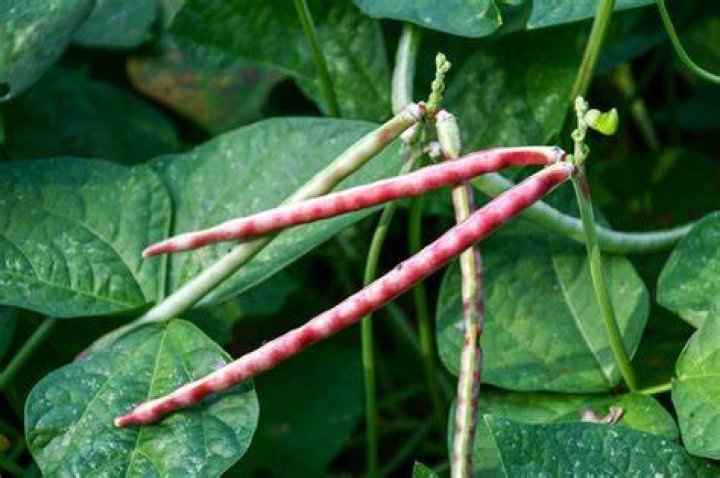
Cowpea grows in bush, vine, tall and short varieties. The leaves of the cowpea plant are edible when they’re young, but most gardeners grow them for the pea. Cowpeas are often eaten on New year’s Day to bring good luck throughout the year.
Why are cowpeas called cowpeas?
The first written reference of the word ‘cowpea’ appeared in 1798 in the United States. The name was most likely acquired due to their use as a fodder crop for cows. Black-eyed pea, a common name used for the unguiculata cultivar group, describes the presence of a distinctive black spot at the hilum of the seed.
In what way is NASA on the cowpea bandwagon?
Even the National Aeronautics and Space Administration (NASA) is on the cowpea bandwagon. With the plant’s ability to produce nutritious leaves in only about 20 days, NASA scientists are considering sending cowpeas to the international space station, where they could be cultivated to provide food for astronauts.
How many months does it take cowpea to mature?
The approximate time of harvest in the field is 60 to 120 days after planting but it depends on the maturity of the plants. Harvest pods by hand when they are dry and keep them in net bags.