Is sump pump required
 Emma Payne
 It is a myth that any home needs a sump pump and drain tile system. These systems are at best a temporary emergency fix for a problem of water leaking in the basement. They should never be relied on to pump water out of your basement continually. If your sump pump is running then you have a leak.
Does every home need a sump pump?
If you’re wondering whether your home needs a sump pump, it probably does. The American Society of Home Inspectors estimates that more than 60% of homeowners have some sort of moisture in their basement or crawl spaces. … It’s important to ensure your sump pump is working for those higher moisture months, like spring.
What can I use instead of a sump pump?
There are ways you as a homeowner can protect your property from suffering enormous amounts of damage from flooding, including a sump pump. Sometimes overlooked, however, are alternative drainage systems like French drains, gutters, and waterproofing work that may serve as a more effective protective measurement.
Is it bad to not have a sump pump?
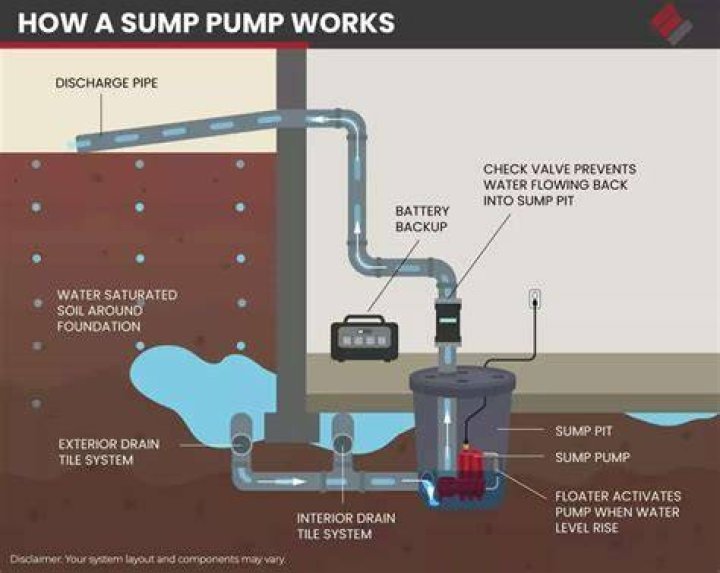
Sump pumps are designed to take water that surrounds your foundation and pump it outside before it can seep into your basement. So—no basement—no need for a sump pump. … In most areas it is not allowed (by codes) to attach the sump to the sewer line so it will usually discharge outside the house.
Why do some homes need a sump pump?
To Keep the Basement or Crawlspace Dry This is the main reason many people have a sump pump installed. When the pump pit starts to fill up with water, the pump removes the water through a pipe that leads to the outside. The slope that’s built around the house helps the water flow away from the building.
Can you have a sump pump in a finished basement?
If there is that much standing water in your pit, I would install one for sure. They cost about $100, but are a worthwhile “insurance policy” against basement flooding. By the way, I recommend a sump pump for ALL finished basements, even if the pit is dry.
How do I get water out of my basement without a sump pump?
- Use A Mop. It may seem like an obvious solution, but a standard household mop is a great place to start. …
- Use a Handpump. …
- Use a Wet/Dry Vac. …
- Bring in a Generator. …
- Use a Trash-Water Pump.
How much does installing a sump pump cost?
Sump Pump Installation and Labor Cost EstimateAverage Cost$1,200Highest Cost$3,000 – $3,800Lowest Cost$600 – $1,000
Do you need a sump pump if you live on a hill?
The only reason your house on a hill doesn’t need a sump pump is if you don’t want to keep your basement dry! … This system will direct water away from your basement by use of a perimeter drainage system tied into a powerful sump pump.
When would you use a sump pump?
Sump pumps are most commonly used when basements regularly flood, and also to solve issues associated with dampness (again, if the basement is located below the water table level).
Article first time published on
What is the purpose of a sump?
A sump (American English and some parts of Canada: oil pan) is a low space that collects often undesirable liquids such as water or chemicals. A sump can also be an infiltration basin used to manage surface runoff water and recharge underground aquifers.
Will a basement flood without a sump pump?
Without a working sump pump, the excess water from a serious storm will begin to accumulate at the lowest point in your home. That point may be the foundation, crawlspace or basement. No matter where the water settles, it will begin to warp wood, cause rot and lead to mold growth.
How long can you go without a sump pump?
Even if you have professionally installed a quality product, a sump pump should be replaced every 7-10 years. Typically located in a basin on your basement floor, your sump pump collects excess water from drains and redirects it away from the house.
How much does it cost to pump water out of a basement?
The basic costs to pump out the standing water and thoroughly dry a flooded basement can start at around $500 and increase to over $10,000, depending on the amount of water to be removed and the equipment and procedures used to dry out the basement.
Do basements need sump pump?
Even if your basement doesn’t flood, basement moisture can lead to mold and potential health problems. If you own a home and live in an area susceptible to excessive snow or rainfall, a sump pump is a smart bet.
Why does a basement need a sump pump?
By removing water from the pit and draining it into a nearby storm drain, dry well, or detention pond, the sump pump prevents the groundwater from rising to the level of your basement floor, which could cause a flood. In this way, you can think of a sump pump as an extra piece of flood insurance!
Is it OK to drain dehumidifier into sump pump?
By installing a sump pump and connecting it to your dehumidifier, basement humidity will be defeated. … This allows the dehumidifier to constantly empty into the sump pump, meaning homeowners would not have to empty it at all. This means the machine can constantly run if need be, and keep basements dry and mildew free.
Why would a house have 2 sump pumps?
If your basement floods, what type of damage will that do to you? So, one reasonable solution to this potential problem is to have 2 sump pumps instead of 1 in the same sump pit basin. A second sump pump can help reduce the potential threat of 1 dying or not being big enough to handle that big rainstorm.
Do townhouses have sump pumps?
There are two sump pumps for each of the townhome building. Each end of the building houses the sump pumps, so while your basement may not be flooding your neighbor basement is flooded. … Do ensure that there is a lid to the pump.
Can I install my own sump pump?
When your home has a sump pump, you want it working to keep rainwater out of your basement or crawl space. If your sump pump is failing and you need to replace it, it’s a DIY job you can handle yourself.
What is the life of a sump pump?
How Long Does A Sump Pump Last On Average? Like other appliances and equipment in your home, your sump pump won’t last forever. Averaging about 10 years, you might not notice your sump pump has malfunctioned until it has stopped working.
Where should a sump pump be installed?
Ideally, your sump pump basin should be in the lowest-lying location in your basement so water will naturally flow there. Go by sight as much as you can and then use a level to be sure the area is sloped downward.
What are the pros and cons of a sump pump?
- It Saves Money. Repairing a flooded basement can turn into an expensive project. …
- The Pump Is Self-Activating. …
- Basement Storage Stays Safer. …
- You Don’t Pay for It. …
- Understand Sump Pump Cons. …
- It Might Mean Damage. …
- Pumps Need Electricity. …
- Regular Maintenance Is a Must.
Is a sump a filter?
The sump sits below the main tank, and is used as a filter, as well as a holding place for unsightly, miscellaneous equipment such as protein skimmers, calcium reactors, and heaters.
Why does basement flood with sump pump?
When a sump pumps fails, it’s often during a heavy rain period when the pump is working overtime to remove all the excess water that’s trying to seep in from outside. After a sump pump failure, water begins to leak through the foundation and basement walls or any cracks in the cement.
How do you get rid of flood water in the basement?
- Set up the shop-vac so that it can suction up water. …
- Suck up all standing water into the vacuum and deposit it outside of your house as far away from the foundation as possible.
What happens if I turn off sump pump?
The reason that you should never unplug your sump pump is that water can drain into the sump pit at any time, even in the dead of winter. … Even if this doesn’t occur, having the non-perforated drain lines under the floor slab completely filled with water can cause them to heave and crack and push up on the concrete.
What happens when sump pump is off?
When flooding occurs, the sump pump will remove unwanted water from the area keeping the basement or crawlspace dry. Unfortunately, they almost always run on electricity and will stop pumping water if the power goes out.
Does homeowners insurance cover sump pump failure?
In most cases, a standard homeowners insurance policy does not provide coverage for water damage caused by sump pump failure. … A water backup and sump pump failure/overflow endorsement will just cover the property damage – not the repair of the actual appliance/sump pump that malfunctioned.
Who do you call when you have water in your basement?
If your basement is only partially flooded, you can suck up standing water using a wet-dry vacuum. Otherwise, you’ll need to call in a plumber or a disaster mitigation specialist to pump the water out. After pumping the basement, it may be necessary to run a dehumidifier to help dry out the area.
Why is my basement flooding when it rains?
Basement Floods And Rain Persistent rain causes soil saturation, creating hydrostatic pressure (or water pressure). This pressure forces moisture through your basement walls and floor. … As this soil expands, it creates lateral (or sideways) pressure against the foundation, causing leaks and foundation damage.