Is mullein poisonous
 Emma Payne
 Is mullein toxic? Yes, mullein contains toxic principles. The root, seeds and, to a lesser extent, the leaves of the plant, contain poisonous components. For this reason, neither roots nor seeds should be used for medicinal purposes.
What is mullein plant used for?
Common mullein (Verbascum thapsus L.) is a medicinal plant readily found in roadsides, meadows and pasture lands and has been used to treat pulmonary problems, inflammatory diseases, asthma, spasmodic coughs, diarrhoea and migraine headaches.
What other plants look like mullein?
- Asclepias syriaca (Common Milkweed) Add to Collection. …
- Asclepias tuberosa (Butterfly Weed) Add to Collection. …
- Eutrochium dubium (Coastal Plain Joe Pye Weed) …
- Rudbeckia fulgida var. …
- Rudbeckia fulgida var. …
- Vernonia noveboracensis (New York Ironweed)
Where do mullein plants grow?
Intolerant of shade, mullein will grow in almost any open area including natural meadows and forest openings as well as neglected pastures, road cuts, industrial areas. Common mullein prefers, but is not limited to, dry sandy soils.
Is mullein a narcotic?
The whole Mullein plant possesses slightly sedative and narcotic properties. … They have been historically used as a narcotic and also contain saponins. The dried leaves are sometimes smoked to relieve the irritation of the respiratory mucus membranes, and the hacking cough of consumption.
Is mullein and lambs ear the same?
Lambs ear (Stachys byzantina) and mullein (Verbascum sp.) are both plants with velvety, wooly leaves. They are in different families, require somewhat different cultural conditions and have different growth habits. … Mullein grows in USDA zones 3 through 9.
Is mullein safe for kidneys?
Mullein, Mule tail, or Kidney medicine is traditionally used as a root and flower tea for kidney dysfunction. The root and leaves are also made into a tea to help with female menstrual cycles.
Does mullein have a look alike?
Mullein has a Dangerous Look Alike. Looks alikes include foxglove, aka digitalis, and comfrey. Comfrey’s leaves tend to be larger and are far less hairy than those of Foxglove or Mullein, and Comfrey is a safe herb should you by chance mis-identify it for Mullein. Foxglove, however, can be quite deadly.
Can you eat mullein leaf?
Edible Parts Leaves and flowers. Although the leaves and flowers are edible, enjoying a cup of tea made from these parts is generally preferable. Leaves and flowers can be used in a salad.
What does mullein tea taste like?
DELICIOUS FLAVOR –Mullein Leaf Tea offers a refreshing, subtly sweet, herbal taste. This caffeine free tea may be sweetened with honey or sugar for those who prefer a sweeter tea and blends well with other herbs, especially spearmint.
Article first time published on
What insect looks like mullein?
Bumblebees are the most important pollinators of the flowers, where they seek nectar and pollen. Other insect visitors, which seek pollen, include Halictid bees and Syrphid flies.
Is mullein poisonous to dogs?
The Verdict on Mullein Mullein is a safe, natural herb that you can turn into an effective remedy from the comfort of your own home. It’s affordable, it’s accessible, and it’s completely safe to use. Unless your dog has an unusual allergic reaction, you do not need to worry about adverse effects.
What is the difference between mullein and foxglove?
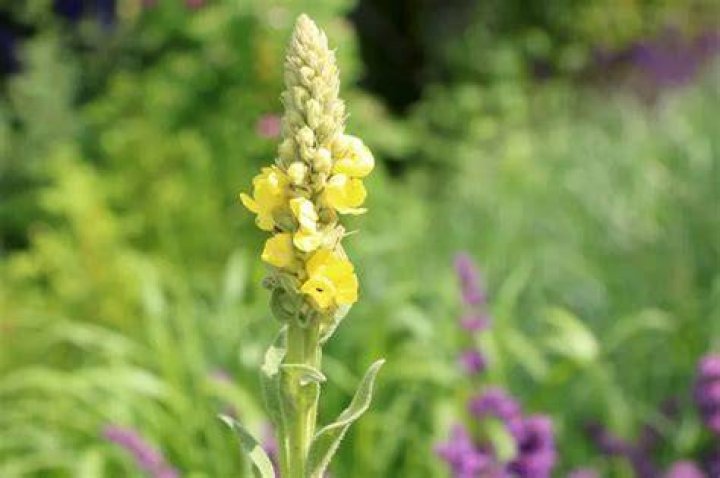
Foxglove also has fuzzy leaves that are darker and with a scalloped to serrated margin on the edge of the leaf. The flowers are completely different, pink to purple almost bell or tube shaped versus mullein which has 5 petal regular yellow flowers.
Does mullein come back every year?
Sometimes called verbascum, this group of plants is made up of many different varieties. Most types of mullein are perennials, coming back year-after-year, some plants are biennials and come back for a couple of years, and a few mulleins are annuals.
Is mullein related to Foxglove?
Related Articles It is part of the large Scrophulariaceae family, related to many equally popular plants including snapdragons (Antirrhinum spp), beardtongue (Penstemon ssp) and mullein (Verbascum spp). Many foxglove relatives share the characteristic coarse rosettes of basal leaves and densely clustered flower spikes.
Is mullein good for COPD?
Intravenous magnesium is known to be a powerful bronchodilator. The effect of oral magnesium supplementation in people with COPD has yet to be investigated. Mullein is traditionally used for its ability to promote the discharge of mucus and to soothe mucous membranes.
Can you eat mullein seeds?
Mullein is also a lovely addition to landscaping. The stalk can grow 6 feet high, and the leaves can grow up to 2 feet across. Try growing a beautiful specimen in an area that bees can enjoy the blossoms, and birds can eat the seeds. … The thick, soft leaves are used to treat respiratory illness.
How do you use mullein for gout?
Hawthorn is high in anthocyanosides and flavonoids, which are helpful in overcoming gout. Hydrangea is an anti-inflammatory. Ice Apply an ice pack for ten minutes, then alternate with a moist hot-towel compress, to soothe and numb the pain. Mullein Soak mullein leaves in a hot vinegar/water mixture.
Can sheep eat mullein?
Native to Eurasia, common mullein has no feed value for cattle or sheep, although goats reportedly graze fresh growth. Dense hairs covering the plant discourage most grazers and significantly obstruct herbicide contact.
How do you pick and use mullein?
The most sustainable way to forage for and harvest mullein is to find the fuzzy leaves in the spring time and harvest them before the flower stalk starts to shoot up when the weather gets very warm. While you can still harvest the leaves from the stalk once it matures, it’s best to use tender, young leaves.
Is mullein an invasive plant?
Mullein is an easy-to-grow plant, often seen growing in fields and ditches. Because of its ease to grow and spread uncontrollably it is considered an invasive weed in many states, including Colorado.
Can you use mullein as toilet paper?
Great mullein is an excellent toilet paper alternative The leaves are soft, large and have no toxic properties. … They used the soft leaves not only for toilet paper, but comfy linings for their moccasins, insulation in their homes and even medicine.
Does mullein tea help lungs?
Animal and human research suggest that mullein tea works by reducing inflammation, thereby helping relax the muscles in your respiratory tract (5, 6 ). The flowers and leaves of the plant are also used to treat other respiratory ailments, such as tuberculosis, bronchitis, tonsillitis, and pneumonia.
Is mullein a drug?
Mullein is a plant used to make medicine. Some people take mullein by mouth for breathing conditions such as cough or asthma, pneumonia, colds, and sore throat. But there is limited scientific research to support these and other uses. In manufacturing, mullein is used as a flavoring ingredient in alcoholic beverages.
What can I do with wild mullein?
The leaves can also be used as a poultice for swollen glands, bruises, insect bites and other minor ailments. It would make a good addition to an herbal salve. Mullein leaves can be dried to use throughout the year. You can also purchase dried mullein leaf from Mountain Rose Herbs.
How do you make mullein tea from the plant?
To make mullein tea, you can use commercially prepared mullein tea bags or dried loose leaves. Pour 1 cup of water over 1–2 teaspoons of dried mullein leaves or flowers. Steep it for 10-15 minutes before drinking. You can drink the tea three or four times a day.
How do you make mullein tea from fresh leaves?
Steep the mullein leaves in hot water inside a tea ball or strainer for 15 minutes. Add honey if you like a sweeter tea. If the flavor of mullein doesn’t agree with you, another great way to reap its benefits is by preparing an inhalant.
Does mullein tea make you sleepy?
Mullein tea may act as a natural sedative and help relieve sleeping problems (1). The roots, leaves, and flowers of the mullein plant also possess sedative properties that help treat issues with sleep (10).
What bugs eat mullein?
“Only a few animals use mullein for food. Certain species of stinkbugs, weevils and leaf bugs will eat mullein leaves; but these are insects which were brought over from Europe,” states Common Sense Home. “Short-horned grasshoppers, such as differential grasshoppers will also eat leaves.
Is mullein good for honey bees?
They are also a wonderful source of pollen for bees. They have to get up early to get the most plentiful offerings of pollen. … It is not just honey bees that use the Mullein flowers to provide pollen other bees gather the bright orange pollen too.
Is mullein good for pollinators?
Wasps, bees, and other pollinators are crazy about mullein’s flowers, which bloom in succession starting at the bottom of the stalk and spiraling up. Photo by Saara Nafici. The flowers can be used as a yellow dye, and the crushed leaves work as DIY rouge.