Can you save root rot
 Eleanor Gray
 Once root rot is identified, you must determine if the plant can be saved. If the entire root system has already become mushy, it is too late to save the plant. However, if some healthy, white, firm roots exist, try to bring the plant back to good health by replanting in fresh soil with good drainage.
Can roots come back from root rot?
After treating root rot in the plant, repot the plant in a clean potting mix. Make sure the container has good drainage and only water the plant when the top of the soil is dry. While regrowing its roots, do not fertilize the plant, as this may stress it. You do not want to have to treat root rot again in the plant.
Should I water after repotting root rot?
Plants may appear wilted and thirsty, but take care to refrain from watering until about a week after re-potting to ensure that any roots damaged during re-potting have healed.
How do you fix root rot?
- Remove the plant from the pot and break off the soil from the root ball. …
- Use sterilized scissors to trim away rotting roots.
- Prune back the foliage of your plant. …
- Toss the rest of the original soil.
- Wash the pot with a bleach water solution to kill any fungus or bacteria.
Can you use soil that has root rot?
Can you reuse soil with root rot? We recommend sterilizing the soil before reusing the soil. This will ensure there were no diseases or fungus that were growing in the soil while the roots were rotting. Once the soil is sterilized, mix with new potting soil 50/50.
Can a tree recover from root rot?
Curing root rot in plants and trees is possible, especially if the foliage is in the early stages of root rot or if the decay isn’t widespread. Unfortunately, because digging up larger trees to access the roots that are decayed or dead is impossible, curing root rot in established trees is very difficult.
Can you save overwatered plants?
The first step in saving your overwatered plants is to determine how badly they have been affected. If your plants are showing some yellowing but have not yet started to wilt, you can save them by beginning to water them properly. If wilting has started to occur, you will need to work harder in order to save them.
Will root rot go away by itself?
Roots of plants affected by root rot may turn from firm and white to black/brown and soft. … In extreme cases, plants affected by root rot may die within 10 days. Root rot is usually lethal although it is treatable. An affected plant will not normally survive, but may potentially be propagated.
How long does it take for root rot?
Root Rot. Root Rot is a disease which plants get when they have spent too long in soil that is too moist. Damp environments are breeding grounds for fungi like Pythium and Phytophthora, which can cause the roots to decay. Root rot can kill a plant in as little as 7 to 10 days!
Is it bad to repot a plant twice?
Every plant eventually needs to be repotted as they grow out of their containers once they get larger. Most plants will thrive in their new homes, but those that are transplanted incorrectly can suffer from repot plant stress. This can cause dropped or yellowing leaves, failure to thrive, or plant wilting.
Article first time published on
What are signs of root rot?
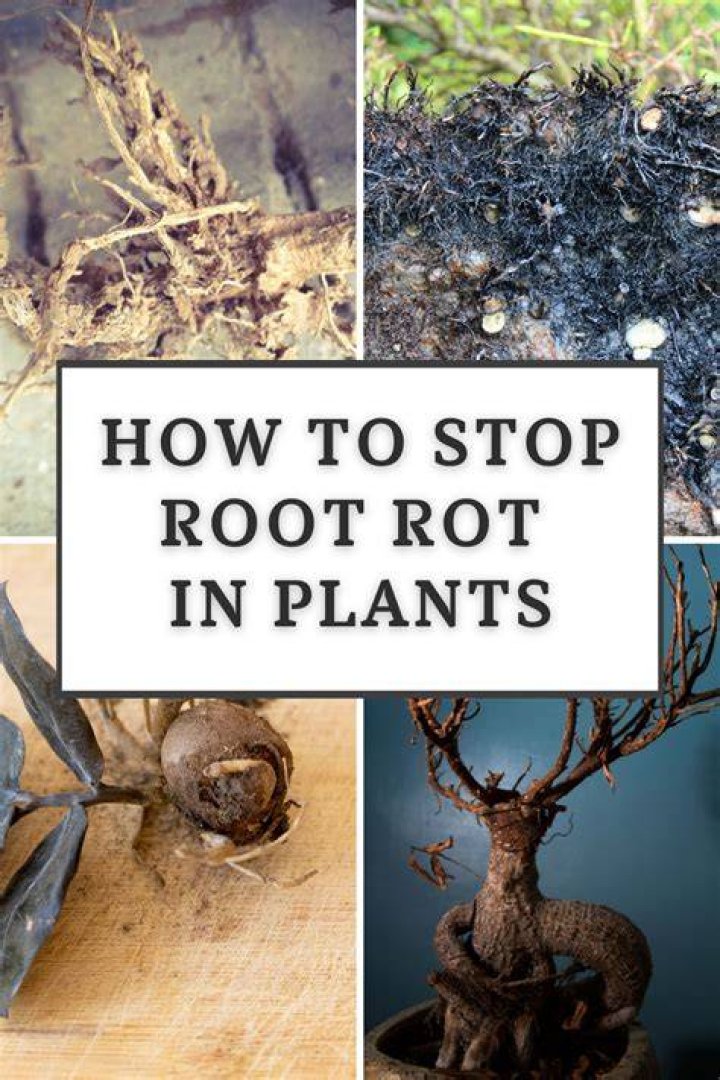
Signs of root rot in garden plants include stunting, wilting, and discolored leaves. Foliage and shoots die back and the entire plant soon dies. If you pull up a plant with root rot, you will see that the roots are brown and soft instead of firm and white.
Should I throw away soil with root rot?
So, we should discard that soil. otherwise, the soil that contaminated with root rot fungus can be sterilized first then it can be reused. Potting soil can be sterilized by mixing it with water then expose it to boiling temperature. Overwatering is the number one reason for losing houseplants.
Can I reuse soil with dead roots?
Can you reuse soil from a dead plant? Yes, you can reuse soil from a dead plant. However, the old plant has used up most of the beneficial nutrients in the soil, so they need to be replenished with compost or other soil enhancers before planting new seeds in it.
How do you treat soil after root rot?
- Allow soil to dry out. If you just noticed that there’s some standing water or leaf change and you aren’t sure if it’s quite yet root rot, allow the soil to air out. …
- Remove all browning leaves. …
- Remove old soil. …
- Cut off dead and decaying roots. …
- Repot with new soil.
How do you dry wet soil quickly?
- Slide your plant out of its pot and wrap kitchen towels or newspaper around the damp soil. …
- Another option is to set your plant on dry soil after removing it from its pot. …
- Drying soil with a hairdryer – After removing your plant from its pot, use a hairdryer on the cool setting near the soil.
How do you dry out an overwatered plant?
- Stop Watering and Allow Time To Pass: …
- Place Plants in the Windy Area: …
- Place Plants in an Area With Low Humidity: …
- Ensure There Are Drainage Holes At The Bottom of Your Plant: …
- Remove Any Mulch From The Top of The Soil: …
- Placing Holes at the Side of the Pot: …
- Use a Hairdryer to Dry the Soil.
Do plants feel pain?
Given that plants do not have pain receptors, nerves, or a brain, they do not feel pain as we members of the animal kingdom understand it. Uprooting a carrot or trimming a hedge is not a form of botanical torture, and you can bite into that apple without worry.
Can a tree survive root damage?
Many plants will survive and recover from root damage if the damage does not exceed 1/4 of the total root zone. Most of the important feeder roots of trees or shrubs are within the upper six inches of the soil. If damaged, the uptake of water and nutrients is restricted reducing growth.
What happens if I overwatered my plants?
Overwatering, in simple terms, drowns your plant. … This results in a limited oxygen supply and plants are not able to breathe. Leaves Turn Brown and Wilt. When plants have too little water, leaves turn brown and wilt.
How do you save a dying plant?
- Repot your plant. Use a high-quality indoor plant potting mix to revitalise your plant, and choose a pot that’s wider than the last one. …
- Trim your plant. If there’s damage to the roots, trim back the leaves. …
- Move your plant. …
- Water your plant. …
- Feed your plant. …
- Wipe your plant.
Do plants go into shock after repotting?
Repotting can shock and stress a plant. Plants that grow in containers require occasional repotting to provide adequate root space for future growth. Repotting a large plant can cause transplantation shock, a condition that may lead to numerous symptoms.
Is it OK to repot plants at night?
Planting at night will help plants cope better with transplanting stress which is the trauma the plant goes through during transplanting or repotting and adapting to its new environment. At night, cooler temperatures and higher humidity allow plants to better cope with stress, preventing wilting or even death.
Do you leave plants in plastic pots?
The solution: Keep your houseplants in their plastic nursery pots for at least the first year. … “The size of the pot doesn’t make the plant grow faster, and with all that extra soil it makes it harder for the roots to get the water and nutrients they need.”
How do I stop root rot in my garden?
- Avoid Overwatering. Plants should be watered on a regular schedule that meets their watering needs. …
- Allow for Good Soil Drainage. Plant soil can’t be too heavy or hold water. …
- Replace Used Soil. …
- Select Plants with Healthy Root Systems.
Does overwatering cause root rot?
Overwatering a plant happens when the soil does not dry out enough in between waterings, or when a plants roots sit in water for an extended period of time. The excess water and moisture can eventually suffocate the roots, causing them to begin to rot. Read more about root rot here.
Can you reuse soil from dead plants?
You can salvage the dead plant’s potting soil for your next plant instead of purchasing new potting soil, reveals Reader’s Digest. … Although you can reuse the potting soil alone after salvaging it, mixing it with new potting soil or compost replenishes its organic matter, creating a better growing medium.
Can you leave soil in pots over winter?
Clay and terracotta containers can be stored anywhere where the temperatures will not fall below freezing. It is also a good idea to wrap each clay or terracotta pot in newspaper or some other wrapping to prevent the pot from being broken or chipped while it is stored.
Is it bad to leave roots in soil?
Roots should not be left in the soil that is to be reused as a potting medium in a plant pot because they will hamper the growth of new plants. In other cases such as open gardens and raised bed gardens roots can be left in the soil if the previous plants did not die because of a known disease.
Can you use the same soil twice?
Answer: Yes, you can reuse soil for a container vegetable garden. As with reusing soil for any plant, amend the soil as needed (see article) and don’t use soil that has been home to a diseased plant.