Can radiant heat leak
 Sarah Cherry
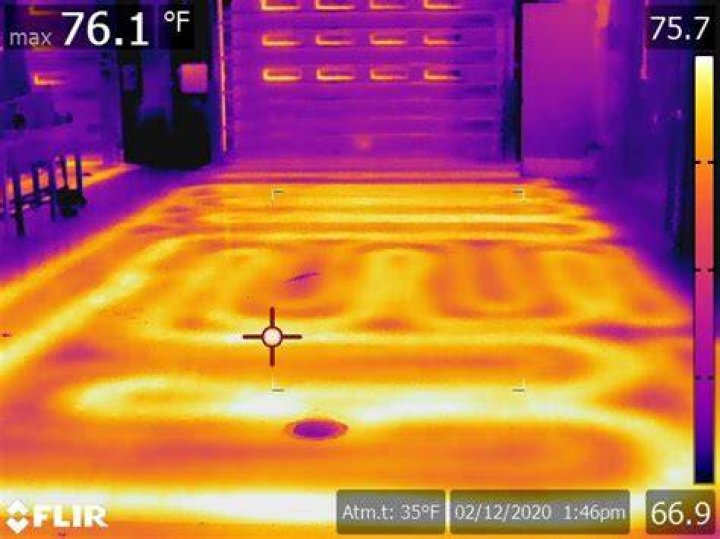
 Water leaks in radiant heating systems can cause damage to the flooring’s finished surface and cause damage to the buildings structure. … The high-resolution thermal imager is able to pinpoint the leak under the concrete slab or finished floor, where most conventional Leak Detection Equipment just fall short.
How do I know if my radiant heat is leaking?
Radiant heating system leaks It’s most likely to occur if there are shifts in the floorboards or any other flooring material, which puts stress on the joints and leads to leaking. You should be able to detect leaking if you notice floorboards are warping or there are odd lumps in the floor you never noticed before.
How do I find a leak in my floor heating?
If you noticed wet or moldy carpets, or mold growing from the base of the walls up, or stains or black discolorations in your hardwood, these are all good signs that your radiant floor heating system has a leak. Check your system’s pressure gauge, which is mounted where the water is pumped out of your boiler.
What are the disadvantages of radiant heat?
- Substantial Upfront Cost. …
- Risk of Leaks in Hydronic Systems. …
- Risk of Fire in Electric Systems. …
- Difficult to Access for Repairs.
What happens if your underfloor heating leaks?
If there is a drastic loss in pressure in an underfloor heating system then there’s a very high chance there’s a leak somewhere in the UFH network. Unmonitored, unrepaired and unmaintained UFH leaks can damage the infrastructure of homes, flood systems and cause huge costs for customers.
How do I find a leak in my central heating system?
Visually inspect underneath and around the boiler The most obvious sign of a central heating leak is dripping around the boiler itself. Thoroughly check the boiler for any signs of water damage, being careful not to check pipes when they are hot and check all the boiler’s fittings.
How do you find a leak in a hydronic heating system?
You’ll need to install a pressure gauge in the system to see if pressure drops. When the system is pressurized, any leak will cause a whistling sound, which will help to pinpoint its location.
Is radiant heat good or bad?
Myth #4. Radiant heating is all about energy efficiency. Forced-air systems are notoriously inefficient, in part because air ducts leak—often enough to diminish efficiency by over 20 percent. … By minimizing the heat loss associated with forced-air, radiant heating maximizes energy savings.
Is radiant heat reliable?
Benefits. In-floor radiant heat systems are durable and reliable, capable of outlasting your home furnace. With proper care and maintenance, a floor heating system can last up to 35 years. It can save money, too.
Is radiant heat a good idea?
Radiant heating has a number of advantages. It is more efficient than baseboard heating and usually more efficient than forced-air heating because it eliminates duct losses. People with allergies often prefer radiant heat because it doesn’t distribute allergens like forced air systems can.
Article first time published on
Can under floor heating leak?
A: A leak in underfloor heating is highly unlikely. Potential damage to a system normally occurs during installation, where the underfloor heating pipe gets cut accidentally or becomes otherwise damaged.
Can you fix a leak in underfloor heating?
Sealing a leaking underfloor heating pipe If you can find the exact leak point, then you can minimise the amount of floor which needs to be removed to access the pipe. After reaching the pipe, there are two main repair options for sealing the leak – epoxy putty or a self-amalgamating waterproof pipe repair tape.
How do I find a leak under my floor?
- Combi Boiler Losing Pressure. …
- Ball valves on heating feeds/expansion cistern/cold water cistern constantly running or dripping. …
- Water Meter Constantly running/spinning even with no water being used in the property. …
- Hissing noises coming from inside your floors or walls.
How long does underfloor heating pipes last?
How long will an underfloor heating system last? The pipes used for underfloor heating must have a projected lifespan of 50 years, in accordance with industry standard DIN 4726; however over 100 years is entirely possible.
Does underfloor heating need to be Pressurised?
We always advise performing a pressure test at 6 bar before flooring or screed is laid. This will allow you to check for leaks and ensure the pipes reach maximum expansion. Make sure you maintain this pressure until the screed has been fully applied, as this prevents the screed from cracking later on.
Is underfloor heating bad for you?
Underfloor heating systems increase venous disorders and sweaty feet. That was the assumption by studies from the 1960s. … Current operating temperatures of underfloor heating systems are completely safe with venous diseases. Those who suffer from sweaty feet, will in fact profit from underfloor heating.
What causes condensate in a hydronic heating system?
Causes. Condensate is the result of airborne water vapor being chilled below the dew point. … Low incoming water temperatures cool the piping and the heat transfer surfaces of the water heater. When the main burner comes on, the hot flue gases turn into condensate upon contact with these surfaces.
Why do I have to keep adding water to my boiler?
When new water feeds into a boiler, it introduces new oxygen into the system, and that oxygen causes the oxidation or breakdown of the boiler and its components. If unaddressed this can lower the lifespan of a boiler drastically. A steam heat system, when running well, will need very little new water at all.
How do you find a hidden water leak?
- Check your water meter. One of the best ways to tell if you have a leak in some part of your plumbing is to check the water meter. …
- Look at your usage. …
- Monitor your bill. …
- Grab some food coloring. …
- Check exterior usage. …
- Use common sense.
How much does it cost to get a leak detected?
Leak detection costs can vacillate. They can range from $75 to more than $350 depending on the type of leak detection equipment necessary to determine where the leak is. For natural reasons, the more complicated and deep the leak, the ostensibly more technical equipment, and expertise required.
How do plumbers detect leaks?
Acoustic listening devices. Ground microphones and listening discs are among the basic tools that plumbers use to pinpoint leaks. Using sound technology, they can hear the noise of escaping water and dripping even through a layer of concrete.
Is radiant heat better than forced air?
Not only is radiant heat 30 percent more efficient, it also provides a more even, continuous level of warmth. In the radiant floor vs. forced-air heating debate, radiant floor always wins because it provides a quiet, even heat and eliminates the allergy problems often associated with heating ducts.
Should I turn off radiant floor heating in summer?
In summer though, you won’t be needing it. How do you ensure your underfloor heating system or radiators are ready to go when winter comes back around? As a general rule, you don’t need to turn the boiler off. You can control the heating system from the central heating thermostats.
Does radiant heat dry the air?
With radiant you’ll have stale air because nothing is moving the air around, or you need to have a furnace to move air around, or you need to move air to provide thermal comfort.
Can radiant heat start a fire?
Radiant heat transmission is deadly. … When these waves hit a combustible material or a person, the radiant energy is absorbed and converted into heat. When radiant heat is absorbed by a combustible material, the object catches fire when the material’s ignition temperature is reached.
How long does radiant heat last?
What Is the Average Lifespan of a Radiant Heating System? With proper and routine maintenance, your in-floor, radiant heating system can last up to 35 years, if not longer. This is significantly longer than the lifespan of traditional heating systems, such as furnaces and boilers, which only last around 15-20 years.
How can I cool my house with radiant heat?
Gas or oil-fired radiant heating systems that require cooling can use super efficient mini-split systems for spot cooling or, again, go to a whole house cooling system (expensive). A better option is to use a geothermal or air-to-water hydronic heat pump that generates chilled water that can be used for cooling.
What are the pros and cons of radiant energy?
Pro: Radiant heating is significantly more energy-efficient and evenly distributed in comparison to forced air systems. Con: Although operating costs are very small, particularly for installation throughout a home or commercial building, radiant heating can be expensive.
Is radiant heat gas or electric?
Radiant heating systems require either natural gas or electricity as a fuel source. In the case of electricity, the components are heated by electrical resistance. For natural gas, however, the system does require a boiler installation to heat the water that will flow through the pipes of the radiant heating system.
Does radiant heat increase home value?
Homeowners may also assume that because a radiant floor heating system can be viewed (and financed) as a home improvement, its installation will immediately raise their home’s value. No evidence exists suggesting that in-floor heating either positively or negatively affects property values.
Can radiant floor heating replace a furnace?
Despite all the attention radiant heating has received over the last few years, you still might not regard it as a viable alternative to traditional systems, such as hydronic baseboards or forced-air furnaces. … The reality is that radiant heating can heat your whole house, fully replacing your existing system.