Are spices nutritious
 Emily Bell
 Both are used to flavor food, but research shows they’re chock-full of healthy compounds and may have health benefits. “Herbs and spices fight inflammation and reduce damage to your body’s cells,” Moreno says. “That’s because each one is rich in phytochemicals, which are healthful plant chemicals.”
Do spices add nutritional value?
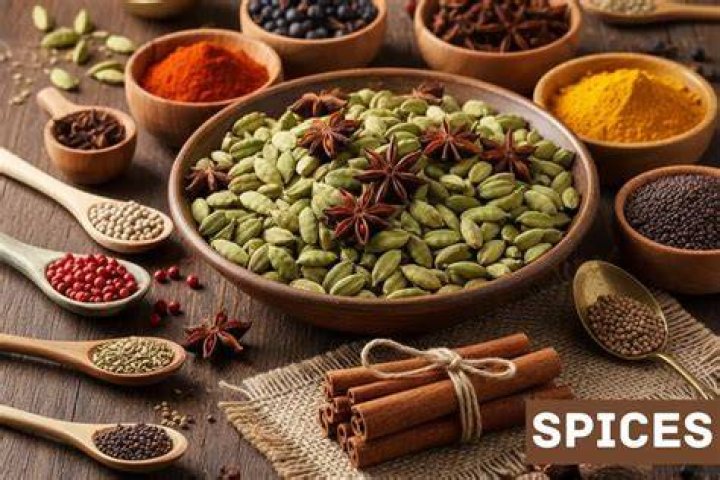
Spices and herbs add delicious variety to the foods we eat. But spices and herbs are much more than flavor enhancers — they are nutritional powerhouses. After all, spices and herbs come from plants, which means they are sources of plant phytonutrients.
What is the healthiest spice in the world?
Turmeric, the world’s most well-known superfood spice ranks very high on the list of the world’s healthiest spices. Turmeric has been known for its anti-inflammatory properties; however, it has also been known for its ability to help fight depression, and its ability act as an antiseptic and cancer-fighting agent.
Do spices provide health benefits?
Spices and herbs such as clove, rosemary, sage, oregano, and cinnamon are excellent sources of antioxidants with their high content of phenolic compounds. It is evident that frequent consumption of spicy foods was also linked to a lower risk of death from cancer and ischemic heart and respiratory system diseases.
Which spices are most healthy?
- Turmeric.
- Ginger.
- Cumin.
- Peppermint.
- Echinacea.
- Cinnamon.
- Chili powder.
- Parsley.
Do spices lose nutrients over time?
Preserving the quality, freshness and flavor of your spices and seasonings will give you great tasting dishes and help to eliminate boring meals. Spices don’t spoil but over time they do lose their strength. When stored properly spices retain their potency longer than you might think.
Are fresh or dried herbs healthier?
Although fresh herbs offer a clean, bright flavor and springlike appeal, don’t write off dried, which have upsides of their own. Dried herbs are easy to keep on hand, and they are at least as beneficial as fresh, if not more so, because the drying process actually concentrates the polyphenols and flavors.
Is eating raw spices bad for you?
No, there are not health “risks” associated with eating spicy food and there is no risk of addiction or need to be concerned if you enjoy spicy foods. The only real potential problem would be an increase in pain of you have a stomach ulcer already or indigestion (aka heartburn).
What is the king of herbs?
Basil – the king of herbs, the all-purpose plant. Bursting with flavor, a staple of Mediterranean cuisine and a trusted cure for many ailments. Worshipped as a saint in India, venerated as guardian of the dead in ancient Egypt.
What are the disadvantages of spices?
- Spicy foods cause harm to our stomach wall.
- It causes disease acute gastritis or ulcer when consumed more.
- Overconsumption results in trouble while sleeping at night.
- More spicy will let you lose your appetite.
Article first time published on
Is it healthy to cook with spices?
Healthiest Ways to Use Spices Whether you use spices fresh or dried, you’ll still get beneficial compounds. Experts point out that frying or grilling can decrease spices’ antioxidants while microwave cooking, simmering or stewing foods with spices can actually heighten their antioxidant levels.
What herbs should you eat everyday?
- Parsley. Touted for its natural diuretic properties, parsley is useful in treating fluid retention and edema, noted Sharon Zarabi, RD, CDN, CPT, bariatric program director, Lenox Hill Hospital, New York City, NY. …
- Peppermint. …
- Oregano. …
- Basil. …
- Thyme. …
- Dill. …
- Chamomile. …
- Sage.
What are the five healthiest spices?
- COCOA: Heart-Shaped Healing.
- CINNAMON: Balancing Blood Sugar.
- TURMERIC: Boosting Brain Power.
- GINGER: Taming Tummy Troubles.
- CHILI: Burning Up Fat.
How Spices affect your body?
Although spicy foods don’t cause ulcers, they can trigger abdominal pain in some people. One study specifically highlighted that frequent consumption of spicy foods can trigger upper gastrointestinal symptoms in some people with dyspepsia (or, indigestion).
Are chillies healthy for you?
We now know that chillies are also a good source of antioxidants. Forty-two grams of the spice would account for your recommended daily allowance of vitamin C, although admittedly that would make for a pretty strong curry. They are also rich in vitamin A, as well as minerals such as iron and potassium.
Is black pepper healthy?
Black pepper and its active compound piperine may have potent antioxidant and anti-inflammatory properties. Laboratory studies suggest that black pepper may improve cholesterol levels, blood sugar control, and brain and gut health.
Which spices have the most antioxidants?
Clove, oregano, and thyme are all among the commercially available spices with the highest total antioxidant capacity (Table 2.3). Several phytochemicals found in these spices, such as rosmarinic acid (Lee et al. 2006) in thyme and oregano (Shan et al. 2005), eugenol in clove and allspice (Chainy et al.
Are ground spices as good as fresh?
Better Flavor A freshly ground spice has a deeper and richer flavor and aroma. Whole spices also contain oils that help make them taste amazing. As soon as these oils hit the air, they start to diminish.
Is dry parsley as good as fresh?
Certain herbs are always better fresh and lose their distinctive flavor when dried. Delicate, leafy herbs like parsley, tarragon, and chives are always superior when fresh, and should typically be avoided when dried since they don’t add much flavor to a dish. They’re also best when raw or cooked for just a few minutes.
Do spices have a shelf life?
Whole, or unground, spices have the longest shelf life, as less of their surface area is exposed to air, light, and moisture. … If stored properly, whole spices can last up to 4 years.
How often should you replace your spices?
So, while your spices won’t necessarily go bad or become inedible, they do lose their potency after some time, so it’s important to not hold onto ground spices for more than a year, while whole spices should be replaced every two to four years.
Do unopened spices go bad?
Under Shelf-Stable Food Safety, the USDA defines spices as a shelf-stable product and in the case of spices, they never truly expire. What occurs over time is that the flavor and potency of that flavor wanes. Whole spices will stay fresh for about four years, while ground spices run between three and four years.
Which is called Queen of herbs?
Known as Holy Basil, “The Queen of Herbs,” or Ocimum sanctum, Tulsi is a close relative to Thai Basil and is coveted for its medicinal properties in many global herbal traditions.
What is the mother of all herbs?
One of the easiest to grow and most versatile culinary and medicinal plants is “Mother of Herbs” (Plectranthus amboinicus). A native plant to South and East Africa. This dry hardy perennial with an oregano-like flavour makes an excellent ingredient for any dish where you would normally add dried mixed herbs.
Do dried spices have any nutritional value?
Both are used to flavor food, but research shows they’re chock-full of healthy compounds and may have health benefits. “Herbs and spices fight inflammation and reduce damage to your body’s cells,” Moreno says. “That’s because each one is rich in phytochemicals, which are healthful plant chemicals.”
Can old spices hurt you?
According to Frank Proto, a chef instructor at the Institute of Culinary Education, expired spices wont hurt you, “they just won’t taste as good”. Going through your spice collection once a year is often enough to make sure everything is still good to use.
Is seasoning powder bad for you?
Ugbajah, a nutritionist with of Health and Healthy living, advises against excessive use of seasonings, as they often contain some questionable ingredients that can be harmful to the human health, when used over time. Also, they don’t have add nutritional value to foods.
Can you get sick from old spices?
Can expired spices make you sick? No, your bad, sad, flavorless spices won’t make you sick. … Because spices are dried, there’s no moisture to cause spoilage. They won’t grow mold or attract bacteria, and they won’t make you sick.
Is too much garam masala bad for you?
Disadvantages of garam masala As everybody knows garam masala is mostly beneficial but sometimes it can also cause harm. The excessive and continuous consumption of garam masala may lead to problems such as piles, heartburn, acidity, and stomach burn.
Are herbs nutritious?
Herbs are Super Nutritious Like virtually all leafy green plants, herbs are quite nutritious. But ounce for ounce, fresh herbs like oregano, rosemary, parsley, and basil are among the most nutritious greens you can find. … Herbs are a very concentrated source of both flavor and nutrition.
Can you eat too many herbs?
But be careful not to overpower your food with too much of any herb or too many types of herbs. Delicately flavored foods, like seafood, eggs, and white sauces, need only a light touch of flavor embellishment. Heartier foods, like meats, stand up well to a heavier hand with the herbs.