Are silver ions toxic
 Emma Payne
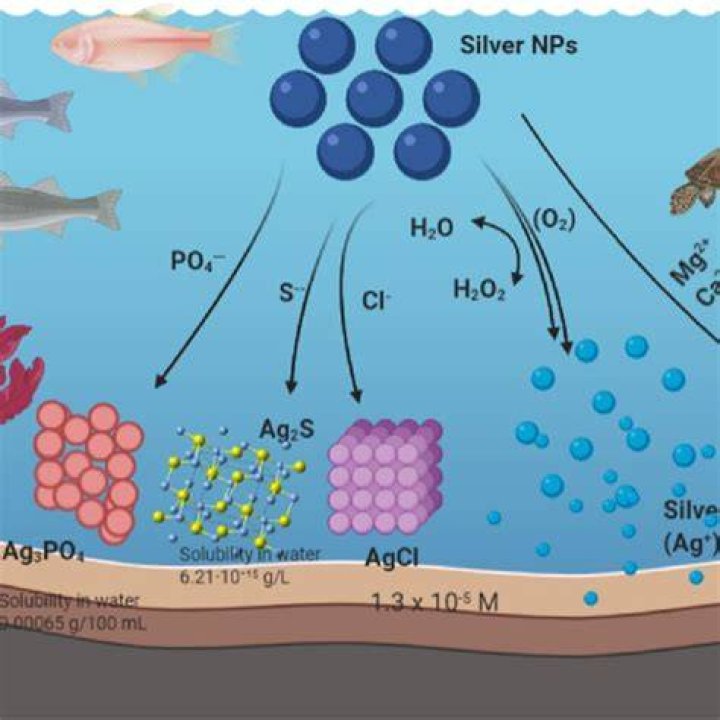
 Results: Silver nanoparticles, freshly mixed ions, and ions from nanoparticle dissolution were toxic, while aged ions were not toxic. … Conclusions: Results of this study suggest that the unbound silver cation is the ultimate toxicant, and ions formed extracellularly drive toxicity after exposure to nanoparticles.
Are silver ions toxic to humans?
Silver metal and inorganic silver compounds ionize in the presence of water, body fluids or tissue exudates. … Silver exhibits low toxicity in the human body, and minimal risk is expected due to clinical exposure by inhalation, ingestion, dermal application or through the urological or haematogenous route.
Are silver ions safe to breathe?
Acute effects in humans of the inhalation of silver include lung failure that involved increased heart rate and decreased arterial blood oxygen pressure. … Silver in the ionic form is likely more toxic than in the nanoparticle form but that difference could reflect their different biokinetics.
Are silver ions hard water or toxic?
Equilibrium concentrations of the silver ion are highly dependent on aquatic chemistry and the presence of suspended solids such as colloids. The free silver ion (Ag+) is extremely toxic in aquatic environments.
Is metallic silver toxic?
Unlike other metals such as lead and mercury, silver is not toxic to humans and is not known to cause cancer, reproductive or neurological damage, or other chronic adverse effects. Nor has normal day-to-day contact with solid silver coins, spoons or bowls been found to affect human health.
Why is silver toxic to bacteria?
Silver ions are also transported into the cells and will block cell division by binding to the DNA. Furthermore, silver ions will block the bacterial respiratory system and thereby destroy the energy production of the cell. In the end, the bacterial cell membrane will burst, and the bacteria will be destroyed 5,21.
Can silver be absorbed through the skin?
2.3.1.3 Dermal Exposure Several silver compounds appear to be absorbed through the intact skin of humans, although the degree of absorption is thought to be low.
Is silver bad for your health?
Besides argyria and argyrosis, exposure to soluble silver compounds may produce other toxic effects, including liver and kidney damage, irritation of the eyes, skin, respiratory, and intestinal tract, and changes in blood cells. Metallic silver appears to pose minimal risk to health.
Are silver nanoparticles safe?
The toxicity of silver, including nanoparticles of silver, to humans is generally low. Skin contact with textiles containing silver is one of the main ways people are exposed to silver nanoparticles. In general, consumer products release only small amounts of silver, not resulting in significant health effects.
Is silver carcinogenic?
The EPA has determined that silver is not classifiable as to human carcinogenicity.
Article first time published on
Can colloidal silver cause liver damage?
Colloidal silver can have dangerous side effects “The silver in colloidal silver products gets deposited into organs such as the skin, liver, spleen, kidney, muscle, and brain,” says Wong. “This can lead to argyria, a condition characterized by irreversible bluish looking skin that first appears in the gums.”
What happens when silver is exposed to oxygen?
Silver is a very inactive metal. It does not react with oxygen in the air under normal circumstances. … The product of this reaction is silver sulfide (Ag 2 S), a black compound. The tarnish that develops over time on silverware and other silver-plated objects is silver sulfide.
Can colloidal silver hurt your kidneys?
Colloidal silver can cause serious side effects. One is argyria, a bluish-gray discoloration of the body. Argyria is not treatable or reversible. Other side effects include neurologic problems (e.g., seizures), kidney damage, stomach distress, headaches, fatigue, and skin irritation.
What do silver ions do?
Silver ions perform their deadly work by punching holes in bacterial membranes and wreaking havoc once inside. They bind to essential cell components like DNA, preventing the bacteria from performing even their most basic functions.
Does pure silver rust?
Pure silver, like pure gold, does not rust or tarnish. … This alloy, made with 92.5% pure silver and 7.5% other metals (typically copper), is called sterling silver.
What is the difference between nano and colloidal silver?
The key difference between nano sliver and colloidal silver is that nanosilver refers to the nanoparticles of silver having the particle size between 1 and 100 nm whereas colloidal silver refers to silver particles having the particle size higher than 100 nm suspended in a liquid.
Are nanoparticles toxic to human health?
Out of three human studies, only one showed a passage of inhaled nanoparticles into the bloodstream. Materials which by themselves are not very harmful could be toxic if they are inhaled in the form of nanoparticles. The effects of inhaled nanoparticles in the body may include lung inflammation and heart problems.
Does silver react with anything?
Silver is a very inactive metal. … The product of this reaction is silver sulfide (Ag2S), a black compound. The tarnish that develops over time on silverware and other silver-plated objects is silver sulfide. Silver does not react readily with water, acids, or many other compounds.
What happens if you have too much silver in your body?
Silver can enter your body through your mouth, mucus membranes, or skin. You can develop argyria if you have far too much silver in your body, which generally results from prolonged exposure. When silver reaches your stomach, it prompts a chemical reaction. As the silver breaks down, it enters your bloodstream.
Which is better colloidal silver or ionic silver?
Colloidal silver and ionic silver are quite popular due to their antiviral and antibacterial properties. However, colloidal silver is more effective and safe to use for this purpose than ionic silver. This is due to the highly reactive nature of silver ions in the body.
Does pure silver react with air?
Silver does not react with air, even at red heat, and thus was considered by alchemists as a noble metal along with gold. Its reactivity is intermediate between that of copper (which forms copper(I) oxide when heated in air to red heat) and gold.
Why do silver metals turn black?
Silver becomes black because of hydrogen sulfide (sulfur), a substance that occurs in the air. When silver comes into contact with it, a chemical reaction takes place and a black layer is formed. … The oxidation of silver jewelry is a sign that it is really silver. Other (noble) metals oxidize differently.
What is the black coating when silver is exposed to air?
Silver articles get tarnished by reacting with atmospheric air to form black coating of silver sulphide.
Can I drink colloidal silver?
When taken by mouth: Colloidal silver is likely unsafe. The silver in colloidal silver gets deposited into the skin and various organs. This can lead to a permanent bluish color that first appears in the gums.
Can colloidal silver help with wrinkles?
Reverses The Age Clock. Colloidal silver is imbued with antioxidant features that eliminate harmful free radicals and toxins from the surface of the skin. In this manner, all signs of ageing including creases, fine lines, wrinkles gradually fade away.
How much colloidal silver can you take a day?
Although colloidal silver is completely non-toxic and can be taken safely in any quantity, the recommended dosage for daily use is one tsp/day.