Are rinse agents safe
 John Peck
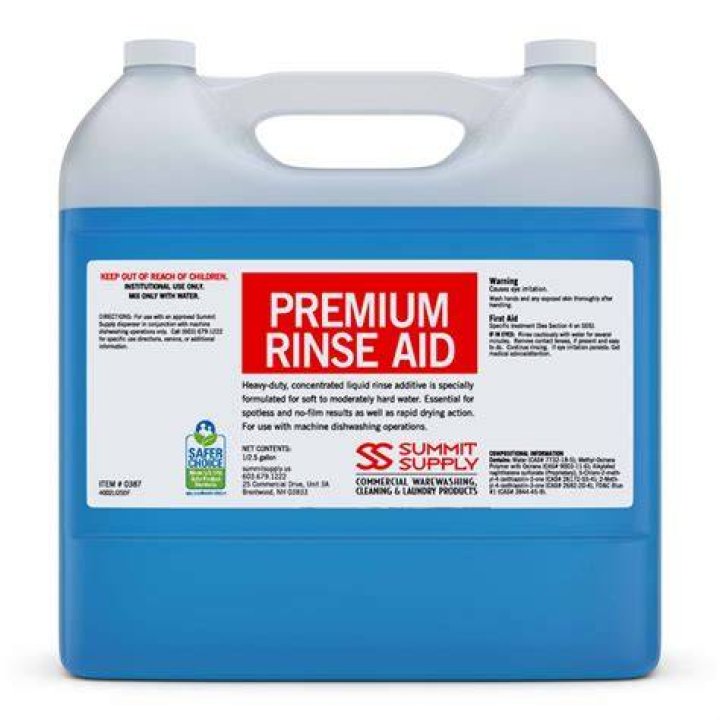
 The National Institutes of Health report that most rinse-aid is completely biodegradable, and while it is neither carcinogenic nor dangerous if used properly, it can cause eye and skin irritation following prolonged exposure and should not be ingested, of course.
What is the safest rinse aid?
The EWG has identified three rinse aids that it believes are safe based on the data that is currently available: Ecover Rinse Aid, Seventh Generation Free and Clear Rinse Aid, and Nature Clean Rinse Aid. Some people advocate using vinegar or hydrogen peroxide in place of rinse aid.
What happens if you use too much rinse aid?
Spilled rinse aid can cause foam and lead to overflowing. Wipe up any spilled rinse aid with a damp cloth. To avoid rinse aid leaks, make sure the cap is securely attached.
Is rinse aid in dishwasher safe for health?
What is our recommendation? Based on all the data available and our research, we highly recommend using a rinse aid in any modern dishwasher. It’s safe for dishes, enhances drying effectiveness, water spots and etching reduction, and results in a beautiful sparkle for your dishes.
What does rinsing agent do?
A rinse aid, or rinse agent, is a surfectant — which is just a fancy way of saying that it reduces the surface tension of the liquid it is dissolved in (in this case, water).
What can I use instead of rinse aid?
Yes, you can use that bottle of vinegar sitting in your pantry as a replacement for dishwasher rinse agent. Compare the price of a gallon of vinegar to that teeny tiny bottle of rinse agent, and it would be silly not to try it.
Is rinse aid really necessary?
You need rinse aid because dishwasher detergents don’t work the same as they used to. … Every new dishwasher has a rinse-aid dispenser because rinse aid is essentially mandatory if you want your dishwasher to work well these days, according to every industry person we talked to.
How often do you need to refill rinse aid?
You should refill the rinse aid regularly (roughly every 4 weeks), and certainly if the rinse agent indicator referred to earlier is showing that it needs refilling. Finish® Jet Dry® is suitable for all makes of machine and delivers optimal results.
Can you use lemon juice as rinse aid?
Why Fresh Lemon Homemade Dishwasher Detergent Works The citric acid in the lemons helps to clean mineral deposits. … The white vinegar contains acetic acid which is a good degreaser, descaler, and also helps as a rinse agent to soften hard water. The acid in the lemon juice is a great degreaser.
What chemicals are in Jet Dry?
Water, Citric Acid, Alcohol Ethoxylate, C12-15 Alcohols Ethoxylated Propoxylated, Sodium Polycarboxylate, Sodium Cumene, Sulfonate, Potassium Sorbate, Zinc Acetate, Tetrasodium EDTA, Methylchloroisothiazolinone, Methylisothiazolinone, Colorant.
Article first time published on
Does rinse aid cause suds?
Excess rinse aid will cause sudsing.
How long does rinse aid last in dishwasher?
The rinse agent dispenser holds 3.5 oz. (104 ml) of rinse agent. Under normal conditions, this will last approximately one month.
Do you use rinse aid every wash?
How to use rinse aid. The rinse aid compartment is usually right next to the detergent compartment. Depending on how many washes you do you might have to fill up the rinse aid every few weeks. When doing so it can sometimes have a maximum fill line, which you should not go over.
Do you rinse before dishwasher?
Most experts agree that you don’t need to pre-rinse your plates, pots and cutlery before you stack them in the dishwasher. Pre-rinsing isn’t only unnecessary; it might actually be a detrimental practice.
Is vinegar bad for dishwasher?
Because it’s is a strong acid, vinegar can break down the rubber gaskets and hoses in your dishwasher, eventually causing a costly breakdown. Also, if it mixes with salt, say from bits of food on your dishes, vinegar can discolor metal pans, flatware and mixing bowls.
How do I dry my dishes in the dishwasher?
- Allow space between dishes. They shouldn’t touch, and your machine shouldn’t be overloaded. …
- Use a rinse aid. It prevents spotting and enhances drying. …
- Use the heat feature. …
- Open the dishwasher door a few inches as soon as the cycle ends. …
- Empty the bottom rack first.
Do I need to put salt in dishwasher?
Hard water affects our appliances in many ways, but, even so, salt is required in every dishwasher even if living in a soft water area. … Like living in a soft water area, using an all-in-one tablet will help in that it reduces the usage of your dish salt, but you should still ensure your machine has some.
Can I use white vinegar instead of Jet Dry?
Jet Dry is often rather expensive to use in the dishwasher. Plain white vinegar will also do the job.
Why do my dishes come out of the dishwasher with a white film?
If you’ve had your dishwasher long enough, you’ve probably noticed a white residue left on your dishes after you’ve run them through the machine. This residue is caused by mineral deposits that are present in hard water, and though these mineral deposits are unsightly, they are not unsanitary.
How do you make homemade rinse aid?
- Measure 1 cup of 3% Hydrogen Peroxide.
- Add your 10-15 drops of Essential Oil.
- Pour into your rinse agent compartment in your dishwasher (about every 30 days)
Can I skip rinse aid?
Or, simply skip it. That isn’t recommended, but if you do skip the rinse aid, the dishwasher may be able to deal. “Our dishwasher can detect if there’s no rinse aid. It actually increases the temperature of the final rinse and makes the final rinse cycle longer,” Chan said.
How do I make my own rinse aid?
- 2 Tbsp [citric acid]
- ½ cup white vinegar.
- ½ cup rubbing alcohol.
- 12 drops [lemon essential oil]
- 3 drops blue food coloring, optional.
What is a natural rinse aid?
Here’s a DIY natural dishwasher rinse aid recipe you can use to help get your dishes sparkling and extra clean without any toxins. It’s very simple – you only need two ingredients – hydrogen peroxide or distilled white vinegar and citric acid.
Is hydrogen peroxide safe for dishwasher?
Hydrogen peroxide is actually a cleaning, whitening, and disinfecting workhorse — and it’s especially great at disinfecting dishwashers. See, the dishwasher is one of those cleaning “tools” that needs regular cleaning itself.
What can I use instead of Jet Dry?
Using White Vinegar Instead of Jet-Dry White vinegar is a good substitute for Jet-Dry dishwasher rinse aid to help prevent spotting.
Is Jet-Dry a carcinogenic?
This product does not contain any chemicals known to the State of California to cause cancer, birth, or any other reproductive defects.
Is Jet-Dry safe for septic?
Jet-Dry Dishwasher Rinse Aid Provides superior spot and film protection vs. detergent alone. Automatically releases in rinse cycle. Biodegradable; safe for septic systems.
What kills Suds in dishwasher?
Vinegar and salt are both great at reducing the foam caused by detergents for hand washing. Salt reduces the surface tension of the water which inhibits the production of suds. The dishwasher should then be forced through a rinse cycle.
Why does my Bosch dishwasher use so much rinse aid?
If your Bosch dishwasher is using too much rinse aid, you can adjust those settings, too. Press the “On/Off” button to change the rinse agent settings. Press and hold the “>” button and the “Start/Reset” button simultaneously. … Hold the button until there is no light illuminated to turn off the rinse agent dispenser.
What number should my rinse aid be on?
Rinse aid setting The factory setting is at 2 or 3; if you are experiencing drying issues, adjust to the highest setting. If there are rings or calcium (hard water) spots on dishes, try a higher setting.
What is rinse aid made of?
Rinse-aid–the ingredients of which are usually ethanol, citric acid, sodium, dyes and acrylic acid polymers–breaks down the salts in hard water, thereby preventing the adhesion of soap clumps during the rinse cycle, leaving cleaner-looking results (although consuming food and drinks from streaked or spotted dishes …